

Selling a home in Kosciusko County is more manageable when the process is broken into clear decisions: preparation, pricing, marketing, negotiation, and closing. A focused plan can help your property make a strong first impression while keeping the transaction organized from the first conversation through the handoff of keys.
Start With a Clear Selling Plan
Before choosing paint colors or scheduling photography, take time to define the outcome you want from your sale. Your timeline, preferred closing date, plans for moving, property condition, and financial goals all shape the strategy. A seller who needs flexibility around possession may approach offers differently than someone prioritizing the strongest price, fewer contingencies, or a quick close. Knowing those priorities early gives every later decision a useful filter.
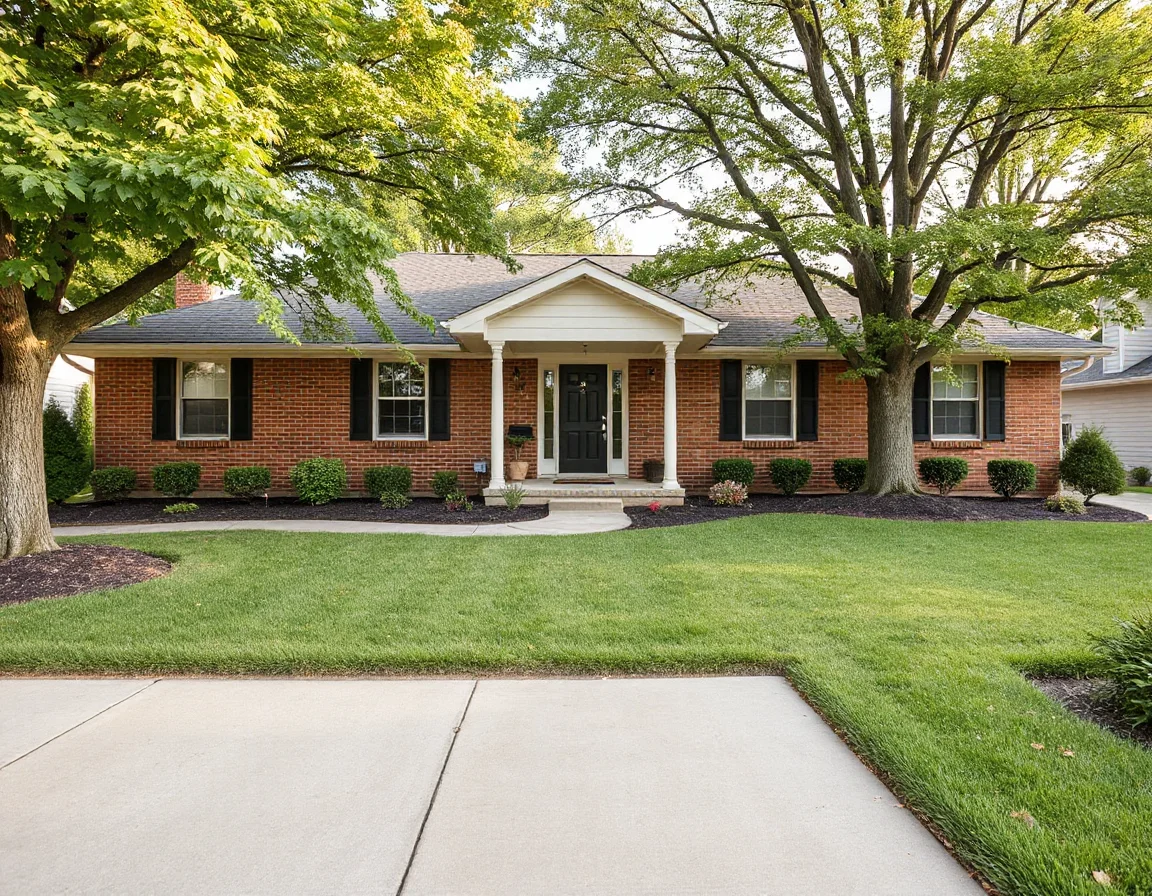
Begin by gathering the practical details a buyer is likely to review: utility information, recent improvement records, appliance ages, survey documents if available, and notes about systems such as roofing, heating and cooling, well or septic equipment, and waterfront features. In Kosciusko County, the specifics can vary widely from a home near Warsaw amenities to a property with acreage, a lake setting, or a rural drive. Accurate information helps create a smoother listing package and supports clearer conversations once offers arrive.
It is also helpful to walk through the home as a visitor would. Notice the approach to the front door, lighting, storage, surfaces, odors, and deferred maintenance. Not every project needs to be completed before listing, but obvious repairs and simple maintenance often make a meaningful difference in how buyers understand the home’s overall care. A local real estate professional can help distinguish improvements that are likely to support marketability from projects that may not return their cost.
A concise list of upgrades, dates, warranties, and service providers can be as useful as the upgrades themselves. It gives buyers a clearer picture of what has been maintained and when.
For owners selling an inherited property, investment property, vacant home, or residence with a compressed timeline, the planning conversation should include the extra logistics. Utilities need to remain active for inspections and appraisal, access needs to be managed, and documents may require additional review. Addressing these items at the outset is generally easier than trying to solve them while a closing date is approaching.
Prepare the Property for the Market
Presentation does not mean stripping a home of personality; it means allowing buyers to see the layout, condition, and potential without unnecessary distraction. Start with the basics: clean thoroughly, remove excess items from counters and closets, replace burnt-out bulbs, and make sure doors, windows, and fixtures operate as expected. Small details often show up prominently in listing photos and during tours.
Outside, concentrate on the first view from the street or driveway. Trim overgrowth, clear walkways, refresh a mailbox if needed, and keep entry areas tidy. Seasonal conditions in northern Indiana can change quickly, so plan for weather as well. In warmer months, landscaping and outdoor living areas can be shown at their best; in colder months, clear access paths, good exterior lighting, and a warm, orderly interior take on added importance.

Professional-quality photography is an important part of the launch, especially when buyers begin their search online. Rooms should be bright and uncluttered, and exterior images should reflect the property’s strongest seasonal features. For homes with lake access, outbuildings, workshops, acreage, updated interiors, or distinctive architecture, the marketing plan should make those features easy to understand without overstating what is included.
Consider completing pre-listing repairs that remove uncertainty: loose handrails, dripping faucets, damaged screens, aging caulk, or visible wall blemishes. Larger items require a more deliberate cost-and-benefit discussion. Depending on the condition and local competition, it may make sense to repair, offer an allowance, disclose the condition clearly, or price with the work in mind. The best answer is property-specific rather than automatic.
Price and Market With Local Context
Pricing is not simply a matter of choosing a number that feels right. A useful pricing analysis considers recent comparable sales, active competition, pending properties, condition, location, lot characteristics, improvements, and the terms attached to each sale. Homes in the greater Warsaw and Kosciusko County market can differ substantially even when they have similar bedroom counts or square footage, particularly when water access, school district boundaries, road type, acreage, or renovation level is involved.
A well-positioned list price aims to create a credible match between the home’s value, its presentation, and current buyer expectations. Pricing too far above relevant competition can reduce early activity, while pricing without accounting for condition or unique features can leave important value unexplained. The first days on market are especially useful because they reveal how buyers respond to the property’s photos, description, showing availability, and price point.
Marketing should tell a factual, compelling story. Strong listing copy can highlight an updated kitchen, covered porch, functional work space, lake views, proximity to local parks, or access to Warsaw’s services and regional routes. It should also be precise about details such as lot size, included fixtures, homeowners association information, utilities, and any features that require verification. Clear marketing attracts attention while setting appropriate expectations for tours.
The most useful feedback is specific: comments about condition, layout, price comparison, or recurring questions can reveal whether an adjustment is worth considering.
Showings deserve a plan too. Keep the home reasonably ready, secure personal information and valuables, and make access instructions straightforward. If a pet is present, arrange a comfortable solution that allows buyers and inspectors to view the property without disruption. Consistent availability can matter, because a buyer’s schedule may not line up with a single open window.
Evaluate Offers Beyond the Price
When an offer arrives, the purchase price is only one part of the decision. Review the financing type, earnest money, requested closing date, inspection provisions, appraisal contingency, possession terms, requested credits, included personal property, and any property-sale contingency. A higher number can look different once repair requests, timing constraints, or financing conditions are considered.
Negotiation is often most productive when the seller’s priorities are clear. If closing on a particular date matters most, that term may carry more weight. If the home has received multiple offers, consistent comparison of each contract term helps avoid focusing on one attractive detail while missing a larger risk or cost. Your real estate professional can help explain the practical impact of each provision and coordinate with the title company, lender, inspectors, and other parties as the transaction moves forward.
After acceptance, stay responsive to document requests and inspection scheduling. Inspection findings do not automatically mean a deal will fall apart; they are a common part of the due-diligence period. The goal is to assess requests carefully, use qualified professionals when needed, and document agreements in writing. If repairs are negotiated, keep receipts and completion details available for the final walkthrough.
Move Toward Closing With Fewer Surprises
As closing approaches, confirm utility transfer plans, remove all items not included in the sale, and leave the property in the condition required by the contract. Review the closing disclosure or settlement statement carefully so proceeds, taxes, payoffs, credits, and fees are understood before the appointment. If you are coordinating a purchase after your sale, build in realistic timing and a backup plan for possessions, temporary housing, or storage if necessary.
Selling in Kosciusko County is ultimately a sequence of practical steps, not a single event. Thoughtful preparation, accurate pricing, polished marketing, and careful review of contract terms can make the process feel far more predictable. Hatcher Real Estate LLC brings locally based market knowledge and direct accessibility to owners navigating residential, commercial, and investment property decisions throughout the greater Warsaw area.