
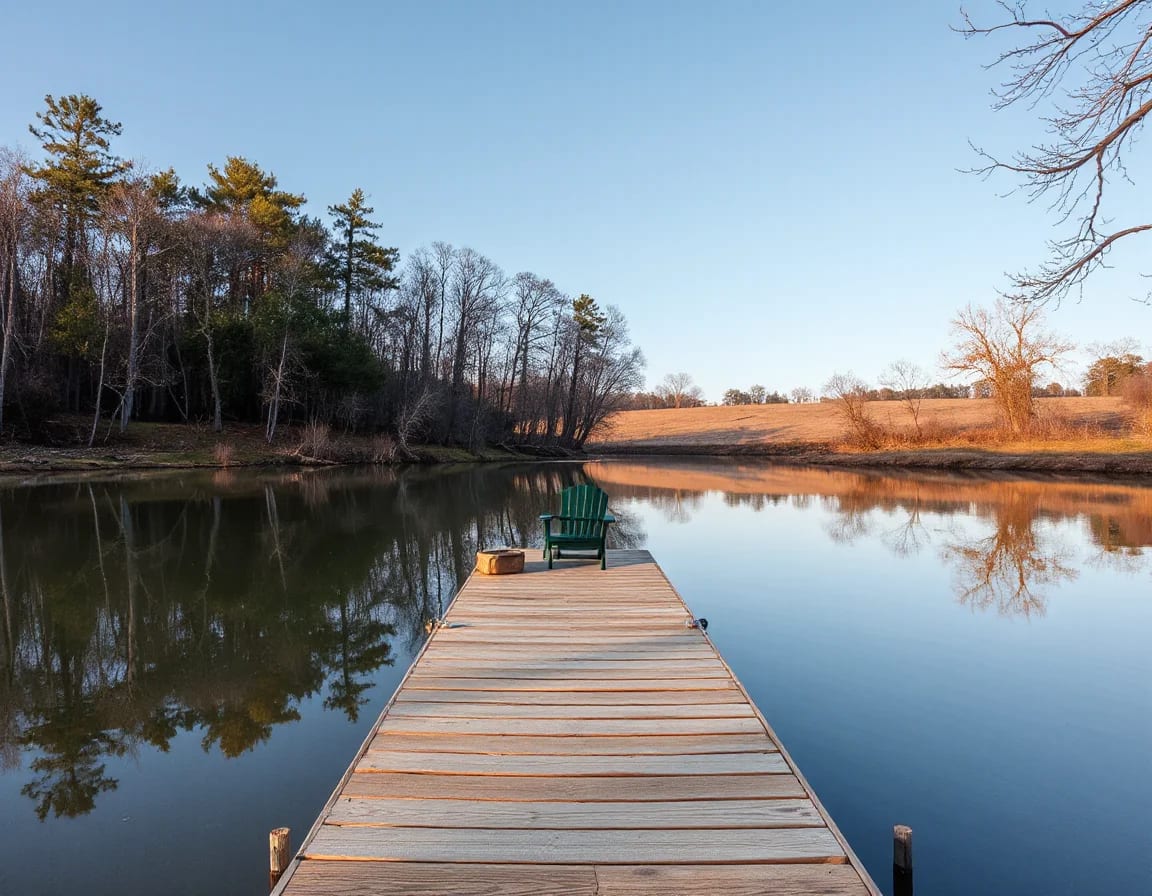
Palestine Lake and Pierceton can both offer a quieter rural setting, but the homes, lots, utilities, and day-to-day maintenance needs may look very different. Before choosing between a lake-area property and a home near town, compare the details that affect ownership long after closing: shoreline access, road conditions, septic systems, storage, zoning, and renovation scope. A focused comparison can help turn a scenic first impression into a confident buying decision.
Start With the Property’s Everyday Function
When comparing homes around Palestine Lake with properties in and around Pierceton, it helps to look beyond the listing photos. Both locations are part of the broader Kosciusko County landscape, where buyers may find established homes, newer construction, acreage, wooded lots, and properties with outbuildings. The right choice often comes down to how the home supports daily routines, seasonal upkeep, and the way you plan to use the property over time.
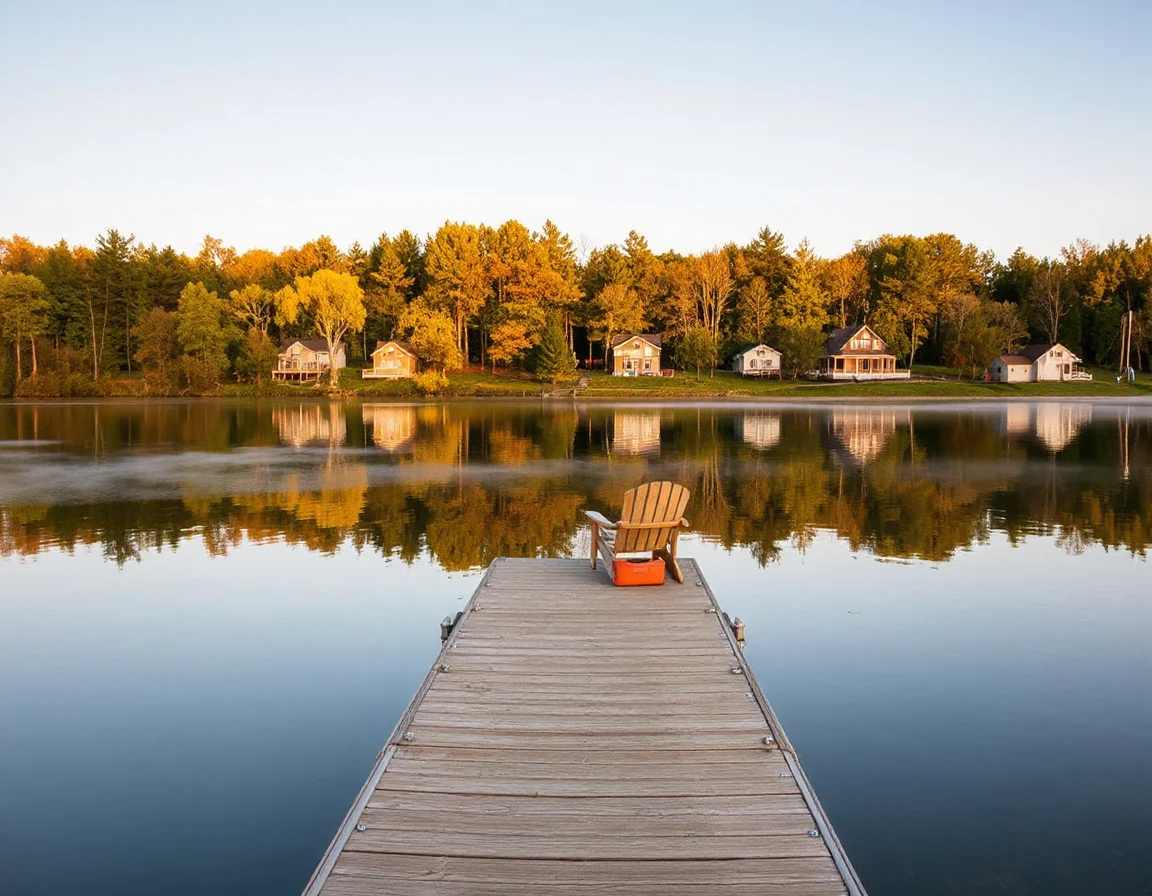
A Palestine Lake-area home may bring water-related questions to the top of the list. Is the home directly on the water, does it have deeded access, or is there simply a nearby lake view? Those distinctions can affect pricing, insurance considerations, dock rules, maintenance responsibilities, and the future usefulness of the property. Buyers should also ask where the property line ends, whether shoreline improvements require approval, and how access works when water levels or seasons change.
In Pierceton, the comparison may lean more heavily toward lot size, proximity to local services, walkability to community amenities, and the condition of older housing stock. A property close to the town center may have sidewalks, municipal utilities, and a more compact footprint, while homes outside town can offer more land and more separation between neighboring structures. Neither setting is automatically better; each asks a buyer to prioritize different practical features.
A lake address does not always mean private water access. Confirm the exact access rights, easements, association rules, and shoreline responsibilities before treating a nearby lake as part of the home’s usable features.
For either location, begin with a simple list of non-negotiables. Consider bedroom count, work or hobby space, parking, storage, internet availability, laundry layout, and the amount of exterior maintenance you want to manage. A detached garage, pole building, basement, mudroom, or fenced garden area can matter as much as a renovated kitchen when a home sits on a larger rural parcel.
Compare Land, Water, and Maintenance Commitments
Rural and lake-area homes reward careful observation. A larger lot can provide privacy, gardening potential, room for equipment, or a place to enjoy the outdoors, but it can also come with longer driveways, additional mowing, tree care, drainage concerns, and snow removal planning. During a showing, take time to walk beyond the front entry. Look at grading, retaining walls, mature trees, sheds, fences, drainage swales, and the condition of any gravel or paved drive.
Properties near Palestine Lake may have terrain and drainage patterns shaped by the water. Ask whether there has been standing water after heavy rain, whether the home has a sump pump, and where runoff travels. If a home includes a dock, boathouse, seawall, or stairway to the water, those features deserve the same inspection attention as the roof or HVAC system. Wood structures, shoreline edges, and exterior steps can require recurring maintenance that is easy to overlook during a sunny afternoon showing.
Homes near Pierceton can present a different mix of ownership questions. Older homes may have charming original materials alongside electrical, plumbing, insulation, or foundation updates worth reviewing. A home on a larger edge-of-town parcel may use a private well and septic system, while another property only blocks away may connect to public utilities. Request records where available, identify the utility setup early, and factor inspection findings into the overall cost of ownership.
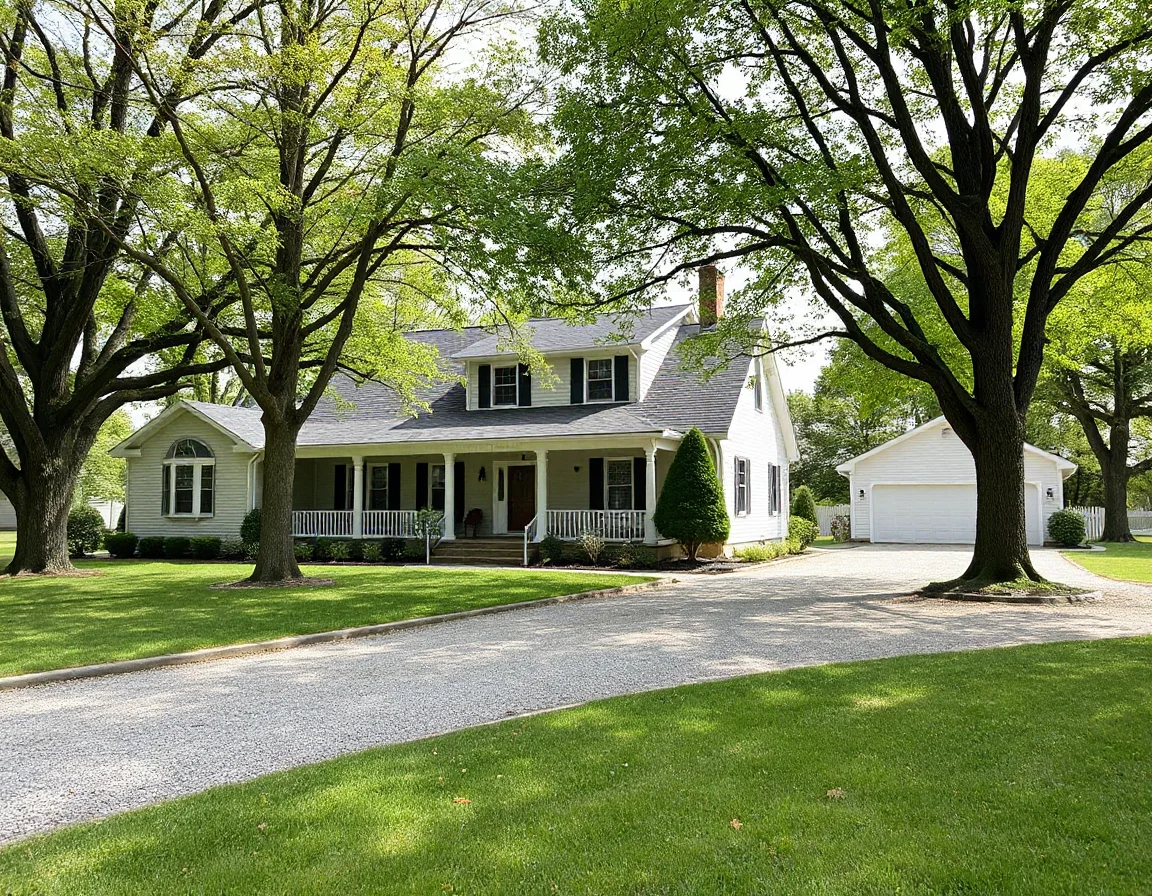
Utility questions are especially important because they influence both convenience and budgeting. Ask about the age and service history of the furnace, water heater, well equipment, septic system, and electrical panel. If a property has propane, inquire about tank ownership and supplier arrangements. If broadband is essential for work, streaming, or smart-home systems, verify service availability at the specific address rather than relying on a general coverage map.
Road access is another practical comparison point. Note whether the road is public or private, who maintains it, and whether there are shared-drive agreements. In winter, a long drive or private lane can require a snow-removal plan. In warmer months, tree limbs, gravel wear, and drainage can become part of the maintenance calendar. These are manageable details, but knowing them in advance helps buyers compare homes on an equal footing.
The lot is part of the purchase. Budget time and inspection attention for driveways, drainage, wells, septic systems, shoreline structures, and outbuildings—not only the rooms inside the home.
Look at Location Through Your Own Routine
The difference between Palestine Lake and Pierceton is not only about architecture or acreage. It is also about how often you want to be near water, how much travel time feels comfortable, and which nearby destinations matter in your normal week. Map the routes you expect to use regularly, including grocery runs, medical appointments, recreation, work destinations, and trips to Warsaw or other parts of Kosciusko County.
For buyers drawn to Palestine Lake, the setting may be a major part of the decision. Views, changing seasons, birdlife, and the opportunity to spend time outdoors can make a home feel distinctly connected to its surroundings. At the same time, lake-area ownership benefits from a realistic conversation about weather exposure, visitor parking, outdoor equipment storage, and the amount of time you want to devote to maintaining exterior features.
Pierceton offers its own appeal through its small-town setting and access to area roads, services, and community spaces. Home styles may range from compact in-town residences to properties with more acreage beyond the central area. As you tour, compare the home’s immediate surroundings: traffic patterns, street lighting, lot orientation, nearby commercial activity, and the distance from the places you expect to visit most often. Objective observations are more useful than broad assumptions about any location.
Explore Pierceton homes and area information
Make the Comparison With Numbers, Not Just Impressions
A thoughtful side-by-side worksheet can bring clarity to two very different homes. List the purchase price, estimated monthly payment, property taxes, insurance, utility type, expected maintenance, and immediate repair needs. Then add less obvious line items such as dock upkeep, driveway plowing, tree removal, water-treatment equipment, association fees, or the cost to update an outbuilding. The goal is not to eliminate every unknown; it is to make sure the home's total responsibilities fit your plans.
Inspection contingencies and local expertise matter in both markets. Depending on the property, buyers may choose to investigate septic systems, wells, radon, structural components, electrical service, shoreline features, or outbuilding condition. A thorough inspection report can help distinguish between a cosmetic project you are happy to take on and a repair that changes the value proposition. Keep room in your budget for the first year of ownership, when routine repairs and personalization projects often surface.
It is also wise to revisit each property at a different time of day if possible. Morning light, road noise, drainage after rain, and the feel of the route from town can all provide useful information. Bring a tape measure for furniture or equipment, photograph utility labels and exterior details for later review, and ask questions in writing when a feature is especially important to your decision.
Choose the Setting That Supports Your Next Chapter
Palestine Lake and Pierceton each offer distinct ways to enjoy rural northern Indiana real estate. One buyer may value the rhythms of a lake-adjacent property and outdoor access; another may prefer an in-town address, a larger workshop-ready parcel, or a home with simpler utility arrangements. The best fit is the one that aligns with your budget, maintenance comfort level, preferred location, and vision for the years ahead.
Take your time with the comparison, ask direct questions, and let the property’s condition and documented features guide the decision. With a clear picture of access, land, systems, and future costs, you can shop with more confidence and recognize the home that feels right for your everyday life.