
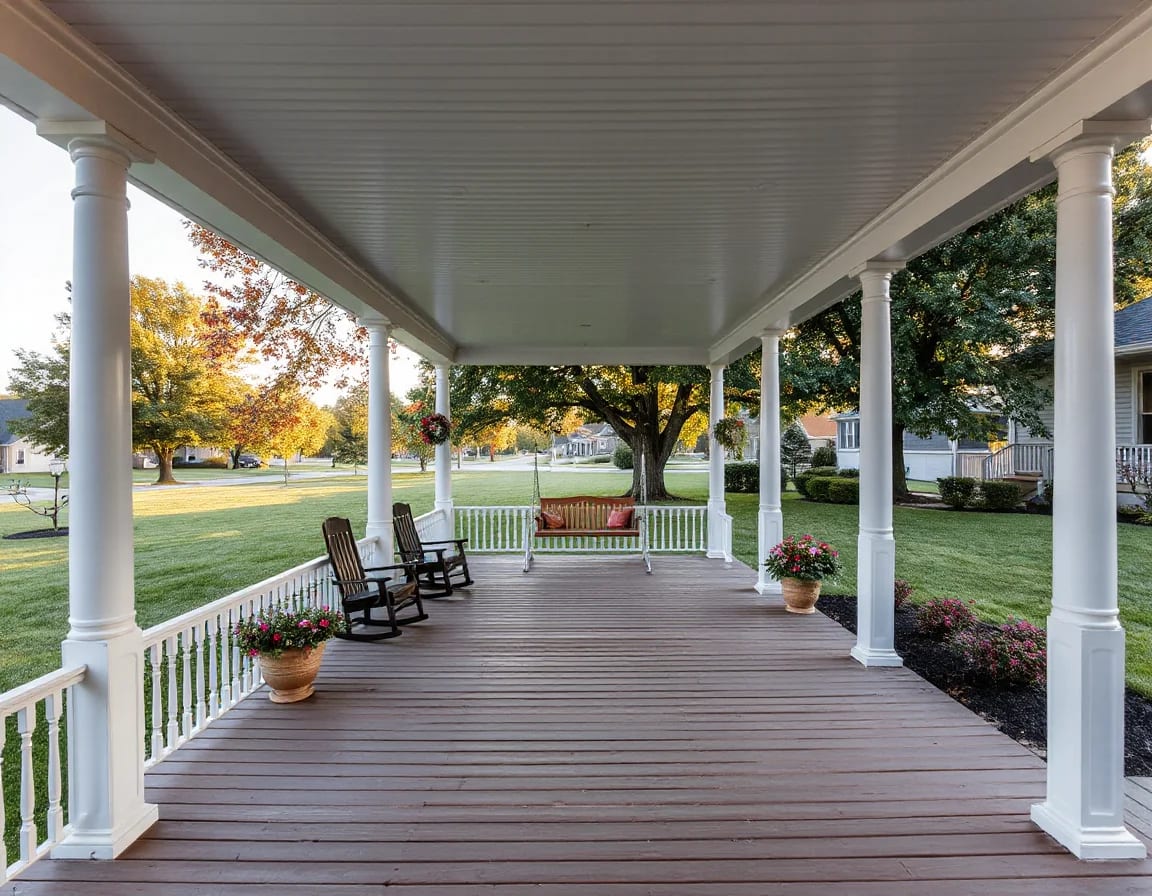
A welcoming porch can make a Warsaw home feel instantly memorable, but a confident offer starts with the details beyond curb appeal. These seven practical checks can help buyers compare homes, ask better questions, and move from a strong first impression to a well-supported decision.
Let the Porch Start the Conversation, Not Finish It
There is nothing wrong with falling for a front porch. In fact, it often signals the kind of everyday usability buyers value: a covered entry, room for a chair or two, a place to watch a summer rain roll through Kosciusko County. But before an attractive exterior turns into an emotional deadline, pause long enough to look at the systems, records, location details, and ownership costs that shape life in the home after closing.
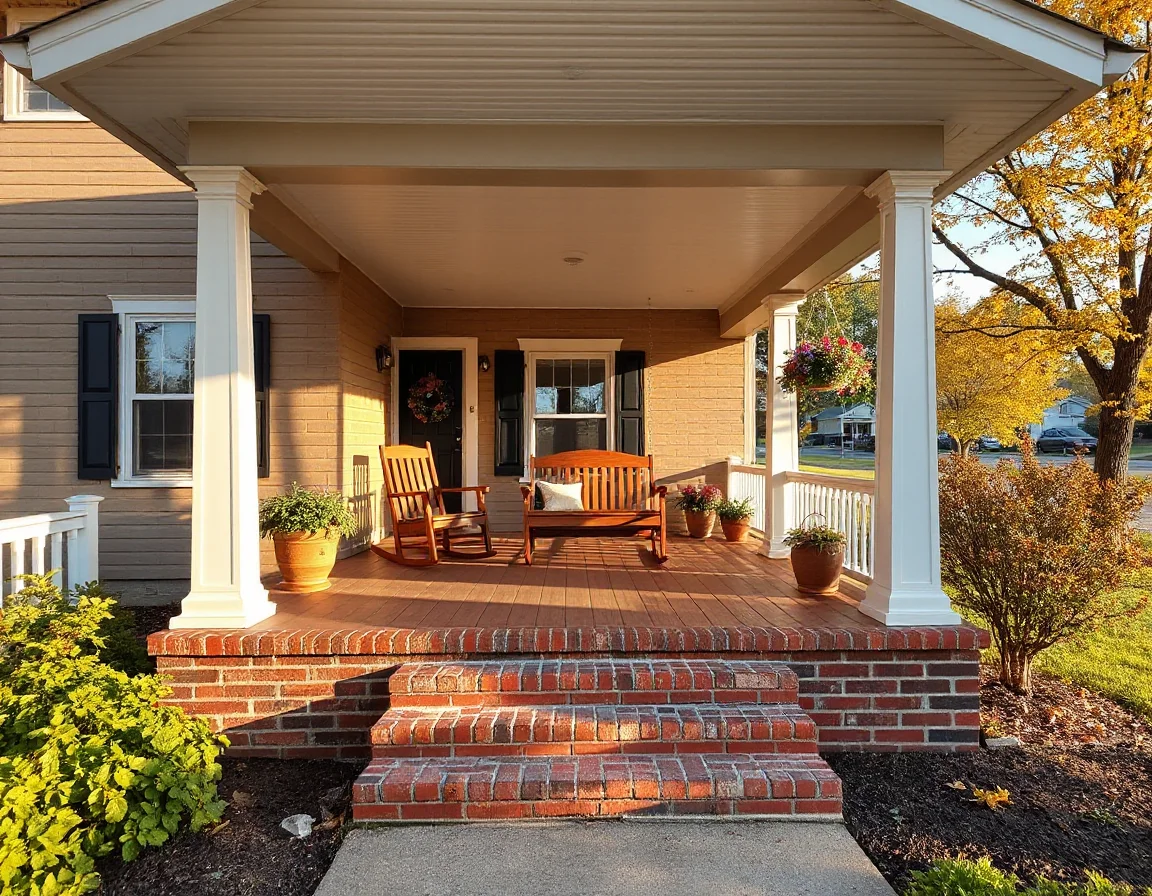
Start with the property’s condition. A professional home inspection is one of the most useful opportunities to understand what you are buying. Inspectors commonly look at visible structural components, roofing, exterior surfaces, plumbing, electrical systems, heating and cooling equipment, and major interior features. Their report is not a prediction that nothing will ever need attention; it is a practical snapshot that helps you prioritize repairs, maintenance, and follow-up questions.
When touring, look beyond fresh paint and staging. Notice the age and apparent condition of the roof, gutters, driveway, windows, foundation walls, deck surfaces, and mechanical equipment. Ask when major systems were installed or last serviced. A seller disclosure and repair records can add helpful context, but buyers should still rely on qualified inspections for professional guidance.
A home can be well cared for and still need near-term maintenance. Build a realistic reserve for items such as servicing equipment, sealing exterior surfaces, cleaning gutters, or replacing aging appliances.
Then check how the property handles water. Warsaw’s lake-country setting makes drainage, grading, and water-management questions especially important. During a showing, look for downspouts that direct water away from the foundation, low spots in the yard, staining in lower-level spaces, sump-pump equipment, and signs that grading may need attention. If the home has a basement or crawlspace, ask about moisture history, waterproofing work, sump-pump backups, and any improvements made after heavy weather.
Water questions are not limited to the house itself. Review available flood-zone information, ask whether flood insurance has been required in the past, and understand the property’s relationship to nearby lakes, streams, drainage areas, or retention features. An insurance professional and local resources can help clarify coverage options and costs before an offer becomes a closing-day surprise.
Check the Systems That Support Daily Life
Third, identify the home’s utility setup. Homes in and around Warsaw can vary by neighborhood and setting. Some may be connected to municipal water and sewer, while others may use private wells and septic systems. Neither arrangement is automatically better; each simply requires the right questions, records, and maintenance plan.
For a well, consider water-quality testing and ask about equipment age, treatment systems, pressure tanks, and service history. For a septic system, request available permits, maintenance records, and information about the tank and drain field. A qualified provider can perform an inspection appropriate to the system. If the property is served by public utilities, confirm the providers, typical billing structure, and whether any utility-related projects or assessments are known.
Fourth, inspect the electrical, heating, and cooling picture with future comfort in mind. Find the main electrical panel, note any visible labeling, and ask about service upgrades. Look for the furnace, air-conditioning equipment, water heater, and any supplemental heat source. Age alone does not decide whether a system is ready for replacement, but it does help you plan. Service invoices, warranties, and utility bills can all contribute to a clearer picture of ongoing ownership.
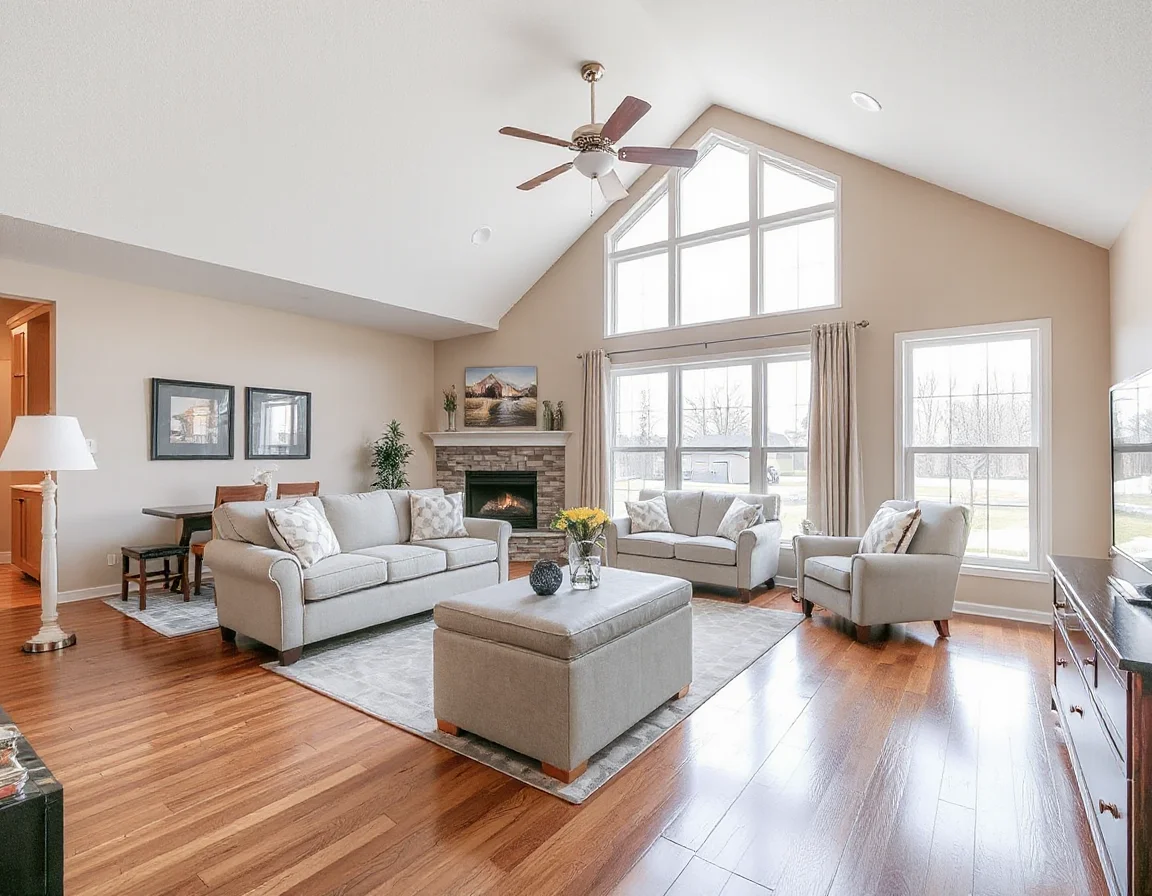
Fifth, match the layout to your actual routines. The best floor plan is not necessarily the largest one. Consider how you use entryways, storage, kitchen work zones, laundry areas, bathrooms, stairs, outdoor spaces, and parking. Open closets, measure furniture-sensitive rooms if needed, and look for practical details such as outlet placement, pantry capacity, window coverings, and accessible storage. A charming porch is even better when the rest of the home supports the way you want to live day to day.
Pay attention to improvements that might not be immediately obvious. Finished lower levels, additions, sheds, fences, decks, and remodeled rooms can add useful space, but it is reasonable to ask whether permits were obtained when required. Permit history and contractor documentation may help explain the scope of work and provide peace of mind about substantial updates.
Bring a short list of “must confirm” items to every second showing. Memory blurs after several tours, while notes and photos make side-by-side comparisons much easier.
Read the Paperwork as Closely as the Property
Sixth, understand ownership costs beyond the purchase price. Your lender can help estimate principal, interest, taxes, and insurance, but buyers should also ask about association fees, special assessments, utility costs, lawn or snow-service arrangements, and any shared-road responsibilities. If the property is part of a homeowners association, review the rules, budget, meeting information, insurance coverage, and resale documents as early as possible. Restrictions on exterior changes, rentals, parking, pets, or accessory structures can affect future plans.
Property taxes deserve a closer look as well. Review the current tax amount, exemptions that may apply to the present owner, and how a purchase could affect future tax bills. Your real estate professional, lender, closing team, and local county resources can help explain which figures are estimates and which are documented obligations. The goal is not to eliminate every unknown; it is to make room for informed planning.
Seventh, protect your contingencies and your timeline. Before writing an offer, understand the deadlines for inspections, financing, appraisal, title review, insurance, and any sale-of-property contingency. In a competitive moment, it can be tempting to rush past these protections. A more useful approach is to decide in advance which terms matter most to you and how much flexibility your budget allows.
Title work is another essential part of the process. The closing team will review ownership records, liens, easements, and other matters affecting the property. Easements may be entirely routine, especially for utilities or shared access, but buyers should understand where they are located and what rights they grant. Ask questions early when something in the title commitment or survey is unclear.
Make a Decision You Can Feel Good About
A front porch can absolutely be part of the reason you choose a home. It may become the place for morning coffee, seasonal decorations, a good book, or a simple pause at the end of the day. The key is making sure the appeal is supported by sound information: a careful inspection, realistic costs, clear property records, and a layout that works for you.
Buying in Warsaw is not about finding a flawless property; it is about recognizing the tradeoffs, understanding the next steps, and choosing with confidence. With thoughtful due diligence and local guidance, the porch that catches your eye can be the beginning of a home decision that holds up well long after the first showing.